Spinal Health
Understanding Lower Back Pain and Sciatica
Lower back pain and sciatica are often discussed together, but they are not interchangeable. Back pain describes discomfort in the lumbar area; sciatica describes symptoms associated with irritation of nerve structures that contribute to the sciatic nerve. Understanding the difference can help you describe your symptoms and decide when to get evaluated.
Common Reasons for Lower Back Pain
The lower back contains vertebrae, discs, joints, ligaments, muscles and nerves. Pain can follow an unfamiliar activity, lifting, prolonged positions or an injury. Age-related disc and joint changes may contribute, but they also occur in people without pain.
Often, no single tissue can be identified as the source of uncomplicated low back pain. An examination can help distinguish common musculoskeletal symptoms from findings that need further investigation. A scan alone cannot explain every symptom or determine whether a treatment will help.
What Is Sciatica?
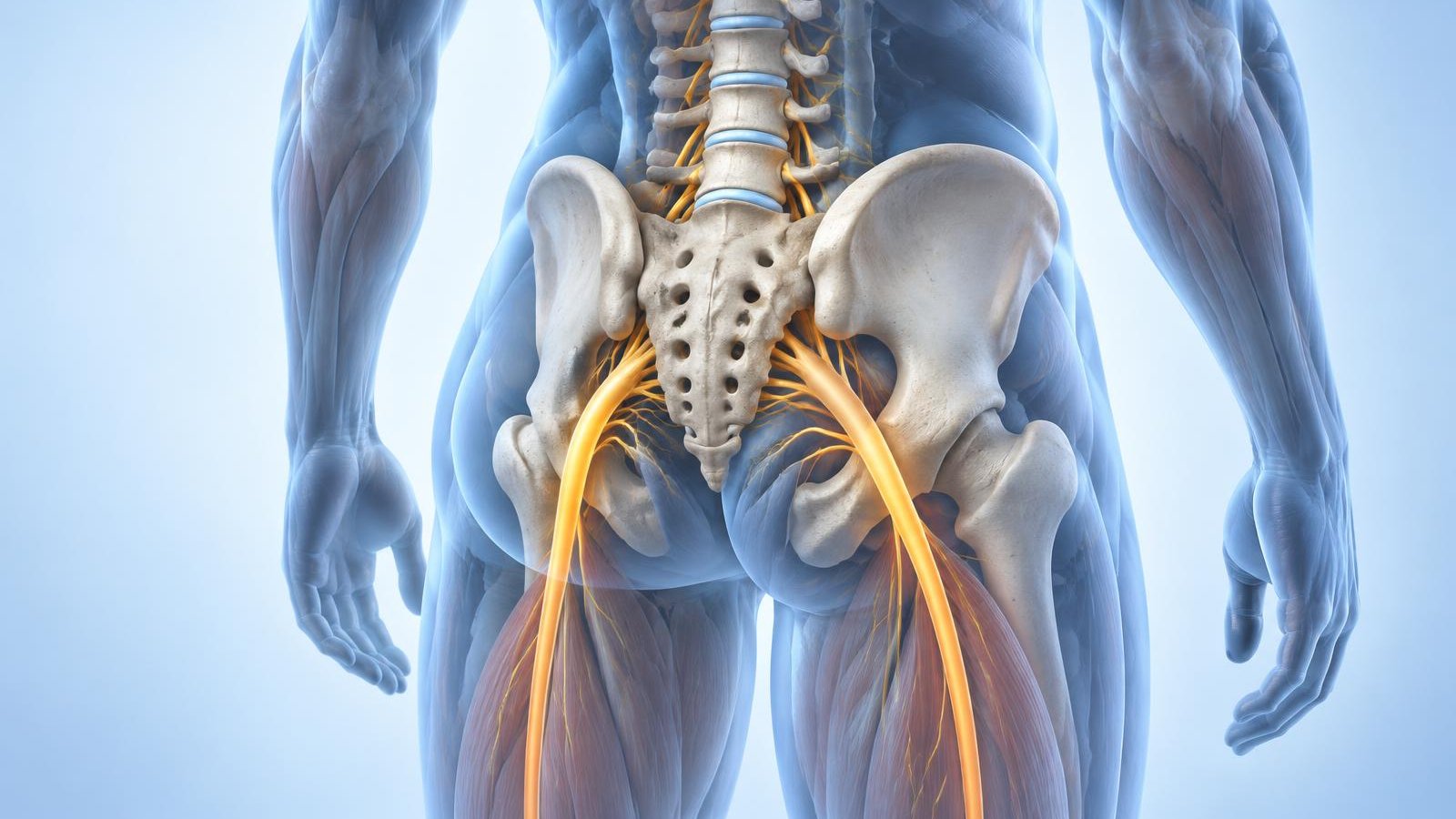
Sciatica commonly causes pain that travels through a buttock and down one leg. Tingling, numbness or weakness may accompany it. Irritation often involves a nerve root in the lower spine, where nerves leave the spinal canal before contributing to pathways farther down the leg.
Leg pain is not always sciatica. Hip conditions, other nerve problems and referred pain can produce similar symptoms. Tell the clinician exactly where the discomfort travels and whether you have weakness or changes in sensation.
How a disc can affect a nerve
A herniated disc occurs when disc material extends beyond its usual boundary. If it irritates a nearby nerve root, symptoms may travel into the leg. Narrowing around nerves, sometimes called spinal stenosis, can also contribute. The significance of a disc finding depends on how it matches the symptoms and examination.
Symptoms Worth Describing at Your Evaluation
Describe the onset, location and pattern of symptoms. Does pain stay in the back, or travel below the knee? Do sitting, walking, coughing or certain positions change it? Can you walk normally, climb stairs and sleep comfortably?
Changes in strength, sensation or bladder and bowel function are especially important. A clinician may check reflexes, muscle strength, sensation and movements that reproduce symptoms. These findings help decide whether conservative care, imaging or a medical referral is appropriate.
When Back Pain or Sciatica Is an Emergency
Go to an emergency department immediately for new difficulty starting urination, inability to control bladder or bowel function, numbness around the genitals or anus, or rapidly worsening leg weakness. These can be symptoms of cauda equina syndrome, a serious condition involving nerve compression. New symptoms affecting both legs together with bladder, bowel or saddle-area changes are particularly concerning.
Significant trauma, fever with back pain, a history of cancer with new unexplained pain, or unexplained weight loss needs prompt medical assessment. Do not wait for a routine chiropractic appointment to address these signs.
Conservative Treatment Approaches
For uncomplicated symptoms, staying active within tolerable limits is generally preferable to prolonged bed rest. Short walks and gradual return to daily activities may be useful, while heavy or aggravating tasks may need temporary modification. Exercise should fit your abilities and clinical findings rather than come from a one-size-fits-all program.
Options to discuss with a qualified clinician include education, appropriate exercise or physical therapy and symptom management. Medication suitability depends on your health history and should be discussed with a clinician or pharmacist. Some situations require specialist evaluation or surgery; persistent or worsening neurological problems should not be ignored.
Hands-on care, when appropriate, should support a broader plan that encourages function and self-management. Treatment should have clear goals such as walking farther or completing daily tasks more comfortably, and progress should be checked.
Where Chiropractic Care May Fit
A chiropractic assessment may be one option for some musculoskeletal low back symptoms. Selected manual approaches may be considered within an individualized plan that includes exercise and advice. They are not appropriate for every cause of pain, and a referral may be needed when the examination suggests a condition outside the clinician’s scope.
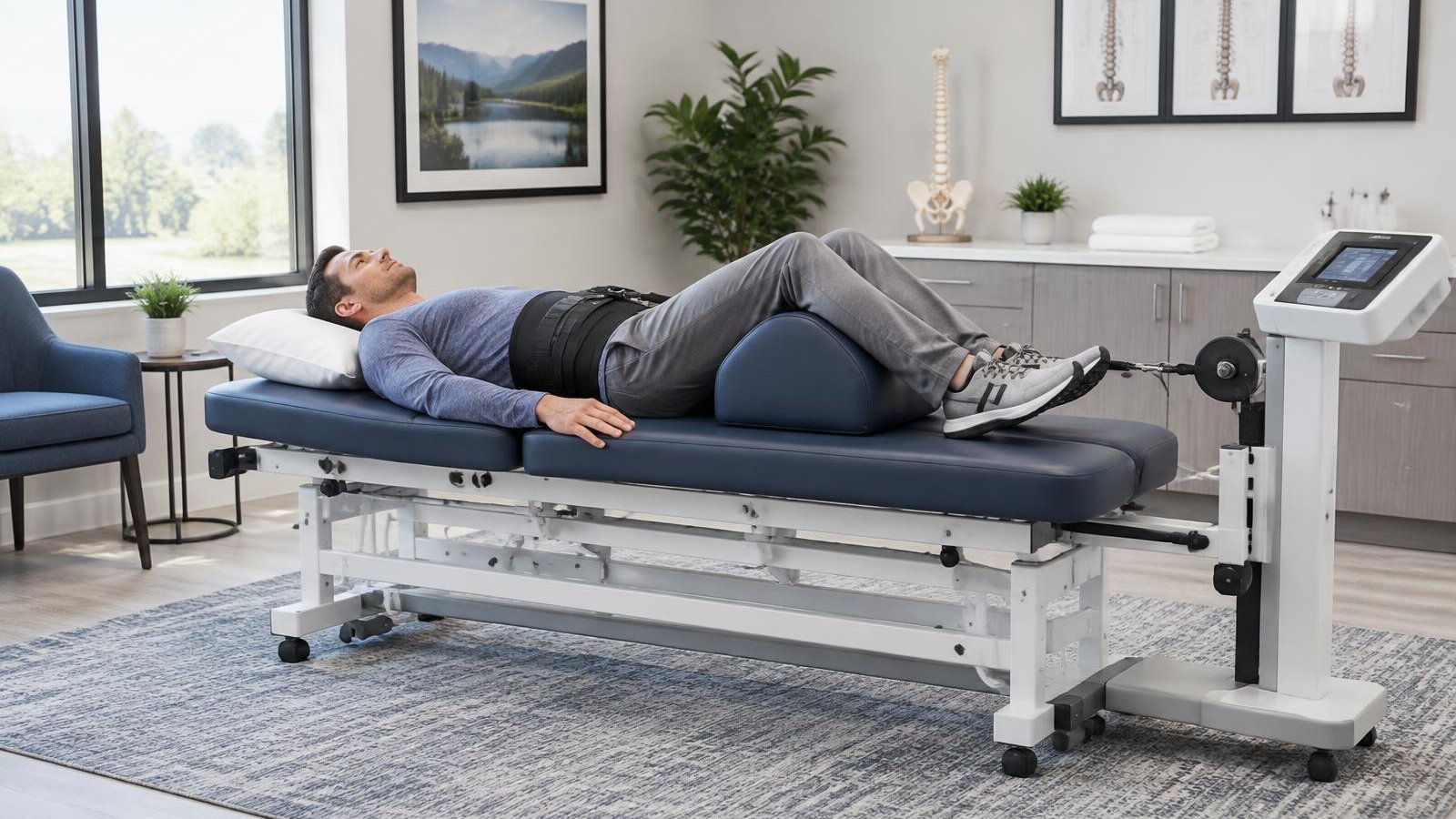
Spinal traction, sometimes marketed as non-surgical decompression, has limited and inconsistent supporting evidence. NICE recommends not offering traction for low back pain or sciatica. Ask about the evidence, potential risks and alternatives rather than assuming every disc-related symptom calls for that treatment.
Glendale Chiropractic Life Center can discuss available services after an individual evaluation. No treatment can guarantee a cure, permanent relief or avoidance of surgery.
Imaging Is Selective, Not Automatic
MRI and X-rays answer different questions and are not routine requirements for every episode of back pain. When there are no warning signs, initial imaging often does not improve care and may reveal changes unrelated to the symptoms. Imaging is more useful when findings suggest a serious condition or results are likely to change treatment.
Bring previous imaging reports if you have them. Ask what a new test would look for and how its result would affect the plan. Follow-up is important if symptoms fail to improve or the pattern changes.
Common Patient Questions
Is all pain traveling into the leg sciatica?
No. A clinical evaluation helps distinguish nerve-related symptoms from other causes of leg pain. New weakness or significant changes in sensation need medical attention.
Does a herniated disc always hurt?
No. Disc changes may be present without symptoms. Their importance depends on the history, examination and whether the findings match the symptoms.
Should I stay in bed until the pain goes away?
Prolonged bed rest is generally not recommended for uncomplicated back pain. Ask for guidance on tolerable activity and seek care for warning signs.
When should I return for reassessment?
Follow the plan agreed with your clinician, and seek earlier assessment for new weakness, worsening neurological symptoms or other concerning changes. Bladder, bowel or saddle-area symptoms are emergencies.
Related Services
Supporting References
Educational information only, not a diagnosis or personalized medical advice. Treatment suitability and results vary. Seek medical attention for concerning symptoms.