Treatment Options
What Is Spinal Decompression Therapy?
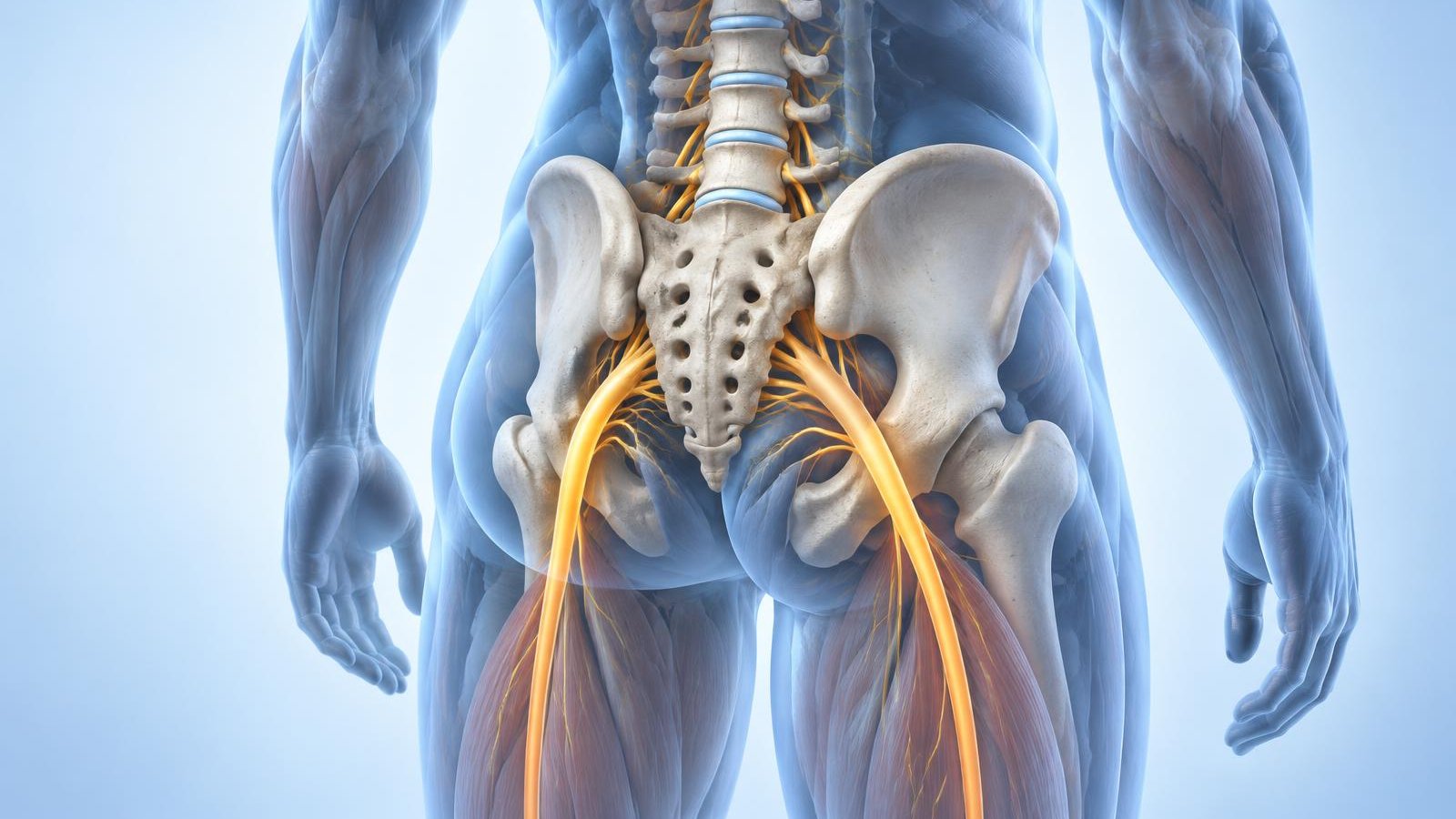
If back pain or pain traveling into a leg has led you to explore treatment options, you may have encountered the term spinal decompression. It can mean different things. This article explains non-surgical spinal decompression, a treatment that uses mechanical traction rather than an operation. Understanding what it involves—and what the evidence does not establish—can help you ask informed questions at an evaluation.
Non-Surgical Decompression and Mechanical Traction
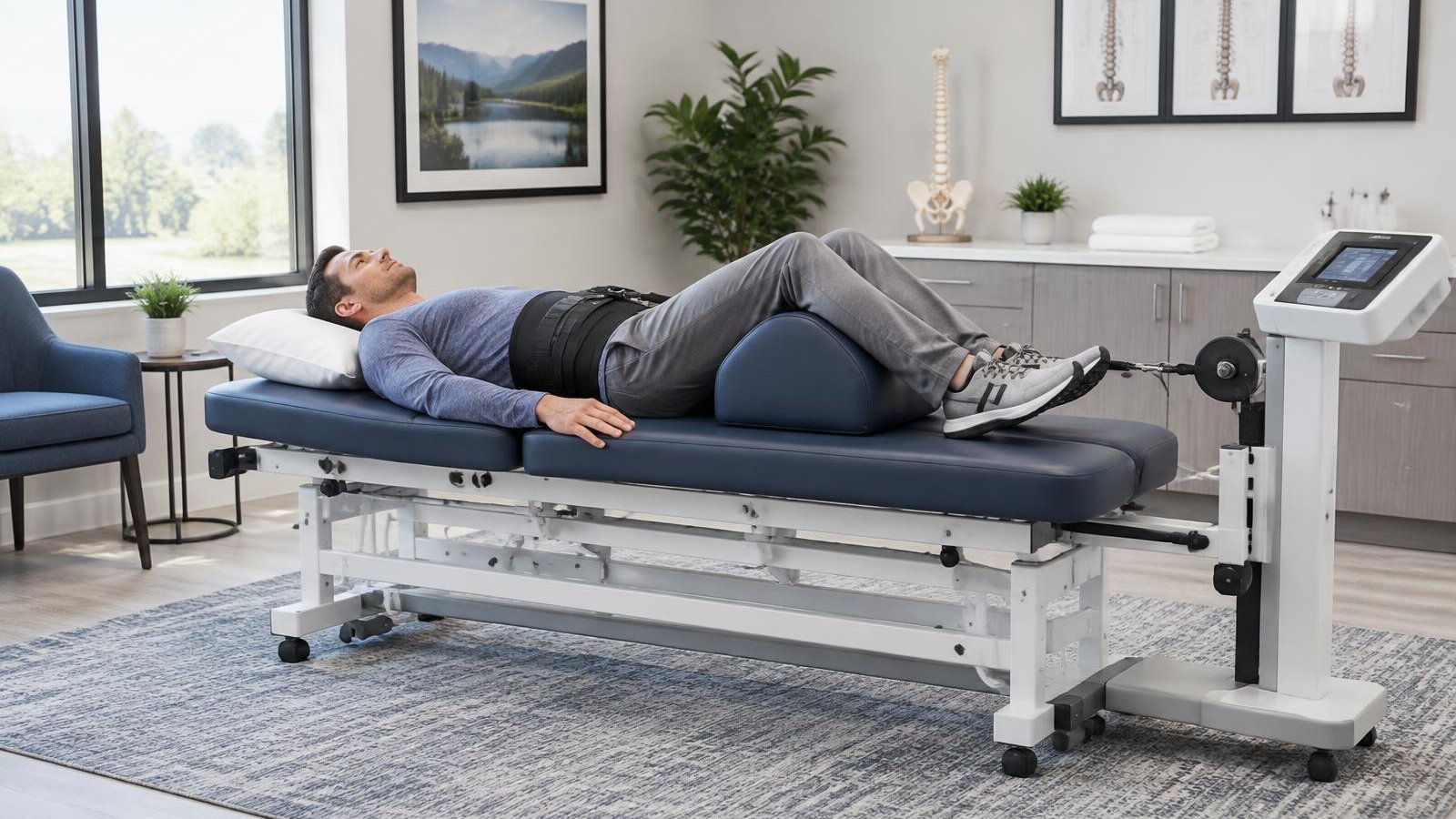
Non-surgical spinal decompression is generally a form of mechanical traction. A specialized table and supports apply a controlled pulling force to selected areas of the spine. Some systems alternate periods of traction and relaxation. The force, position and duration are selected by the treating clinician after an assessment.
This differs from surgical decompression, in which a surgeon removes or alters tissue to relieve pressure on nerves. Mechanical traction does not remove a disc, repair a fracture or guarantee that a herniated disc will return to its previous position.
What is the intended effect?
Traction is intended to change loading on spinal structures and may produce a temporary stretching sensation. Descriptions such as “taking pressure off a disc” explain a proposed mechanism, not a promise that a person’s pain will improve. A plausible mechanical explanation is not the same as demonstrated clinical effectiveness.
When Might It Be Discussed?
A clinician may discuss traction when evaluating symptoms associated with some disc-related conditions or pain traveling from the back into a leg. Symptoms alone do not identify the cause: similar discomfort can arise from muscles, joints, nerves or conditions requiring a different type of care.
An examination should come before any treatment decision. Bring existing reports and describe whether symptoms change with sitting, walking or particular movements. The clinician should explain why a proposed option is relevant to your findings rather than recommending it simply because an image shows age-related disc changes.
What Can You Expect During a Session?
If traction is considered appropriate, you would usually remain clothed on a treatment table. Supports and a harness help position the body, and equipment applies controlled traction. You should receive an explanation of the setup and a clear way to stop the treatment.
Tell the clinician immediately if you develop sharp pain, new tingling, dizziness, weakness or an increase in pain traveling into the limb. Treatment should not be something you must endure. The length and number of sessions should be individualized, and progress should be reassessed rather than assumed.
Potential Benefits, Evidence and Limitations
Some people report temporary symptom relief or improved comfort during traction, but individual experiences do not establish that a treatment works reliably. Evidence supporting marketed non-surgical spinal decompression is limited and inconsistent. It should not be presented as a proven cure, a guaranteed way to avoid surgery or a method that permanently repairs a disc.
NICE’s low back pain and sciatica guideline recommends not offering traction for these conditions. This is important context when weighing an option that may still be discussed in some practices. Ask how a recommendation fits the evidence, what alternatives exist and what measurable improvements would justify continuing.
Conservative management may instead emphasize appropriate activity, individualized exercise, education and symptom management. Depending on the diagnosis, another clinician or specialist may be needed. Discuss costs and reassessment points before committing to a treatment series.
Who May Not Be a Suitable Candidate?
An individual health assessment is essential. Possible reasons to avoid traction or obtain specialist advice include a suspected fracture, severe osteoporosis, spinal instability, infection, a spinal tumor, pregnancy or a history of spinal surgery or fusion. This is not an exhaustive list, and a prior surgery is not something to assess without the relevant medical history.
Give the clinician a complete medication list and disclose cancer history, recent trauma and other ongoing medical conditions. A person who needs urgent diagnostic assessment should not have traction in place of that assessment.
When to Seek Medical Attention
Go to an emergency department for new difficulty starting urination, loss of bladder or bowel control, numbness around the genitals or anus, or rapidly worsening leg weakness. These can be warning signs of serious nerve compression. Severe pain after significant trauma also needs prompt medical assessment.
Fever with back pain, unexplained weight loss, or pain with a history of cancer requires prompt medical advice. These findings are not diagnoses, but they should not be dismissed as routine back pain. Glendale Chiropractic Life Center can answer general questions about its services; emergencies should be assessed by emergency medical services.
Common Patient Questions
Is this the same as surgery?
No. Non-surgical decompression uses traction equipment; surgical decompression is an operation. The two have different purposes, risks and evidence.
Does it work for every herniated disc?
No. Not every disc change causes symptoms, and traction is not a reliably proven treatment for everyone with a disc-related condition. Examination findings and the evidence should guide the discussion.
Should it feel painful?
Report discomfort or new symptoms immediately. Ask how to stop the session; do not continue through worsening nerve symptoms.
How many sessions will I need?
There is no universal schedule. Ask why a plan is proposed, when progress will be checked and when another approach would be more appropriate.
Related Services
Supporting References
Educational information only, not a diagnosis or personalized medical advice. Treatment suitability and results vary. Seek medical attention for concerning symptoms.