
Non-surgical care · Glendale, Arizona
Spinal Decompression Therapy in Glendale, AZ
Explore non-surgical spinal decompression at Glendale Chiropractic Life Center. An individual evaluation helps determine whether mechanical traction is an appropriate option for your neck, lower back or disc-related symptoms.
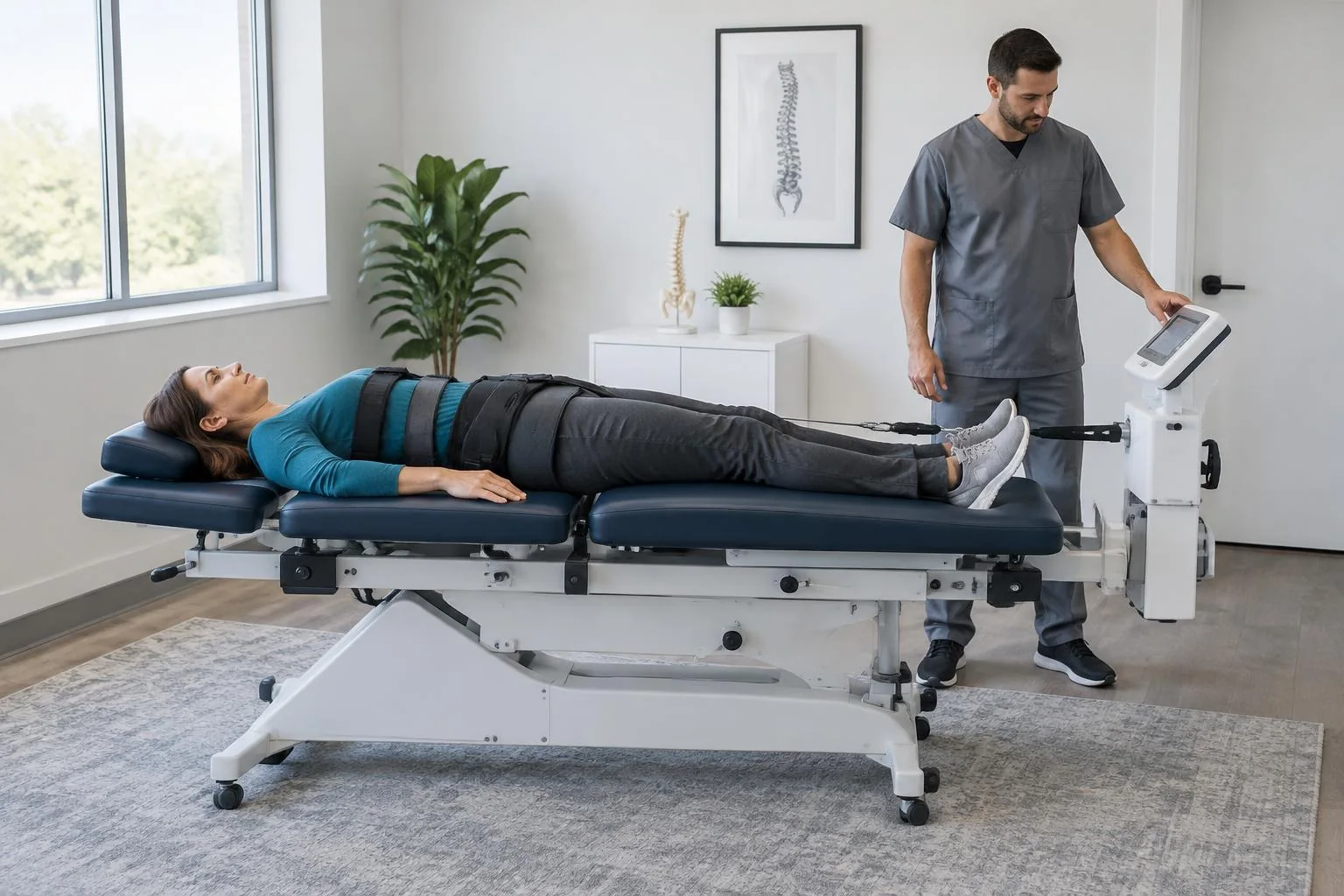
AI-generated treatment illustration; not our office, staff or equipment.
What Is Spinal Decompression?
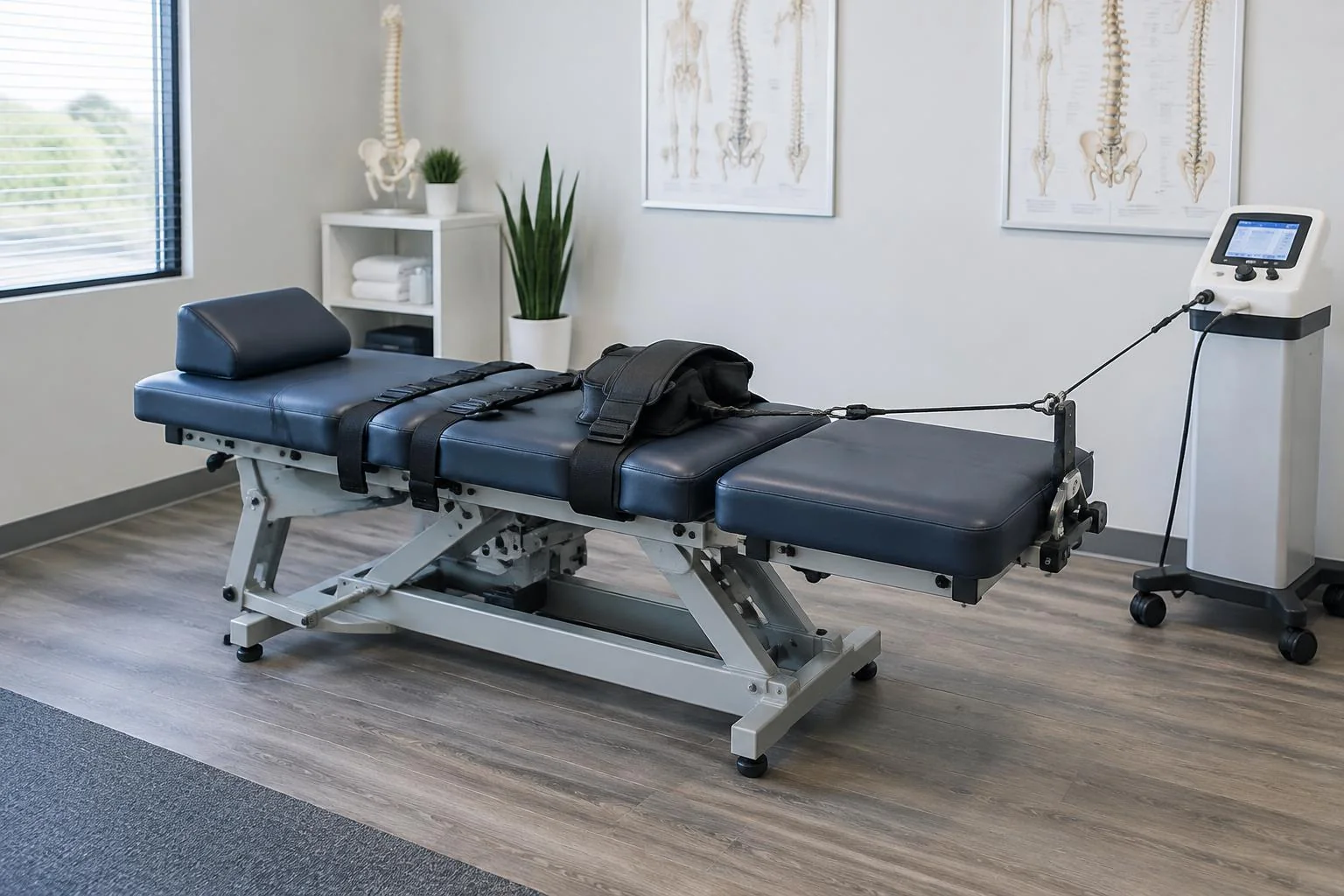
Non-surgical spinal decompression uses a computer-controlled treatment table to apply gentle, cycling traction to the spine. The intended aim is to temporarily change loading on discs and surrounding structures, which may ease symptoms for some people.
This is different from surgical decompression. Mechanical traction does not remove tissue, permanently repair a disc or guarantee relief. Evidence for marketed non-surgical decompression is limited and inconsistent; an examination and discussion of alternatives should come before treatment.
Conditions That May Benefit
These symptoms and conditions may lead to a discussion of treatment options. They do not, on their own, mean that spinal decompression will help or that you are a suitable candidate.

Lower Back Discomfort
Persistent lower back pain can involve muscles, joints, discs or nerves. An exam helps identify the cause before choosing care.
Explore care
Neck Pain
Neck pain or symptoms traveling into an arm need an individual assessment before cervical traction is considered.
Explore care
Sciatica
Pain traveling from the back into a leg may reflect nerve irritation. Sciatica treatment in Glendale, AZ starts with evaluating your symptoms.
Explore care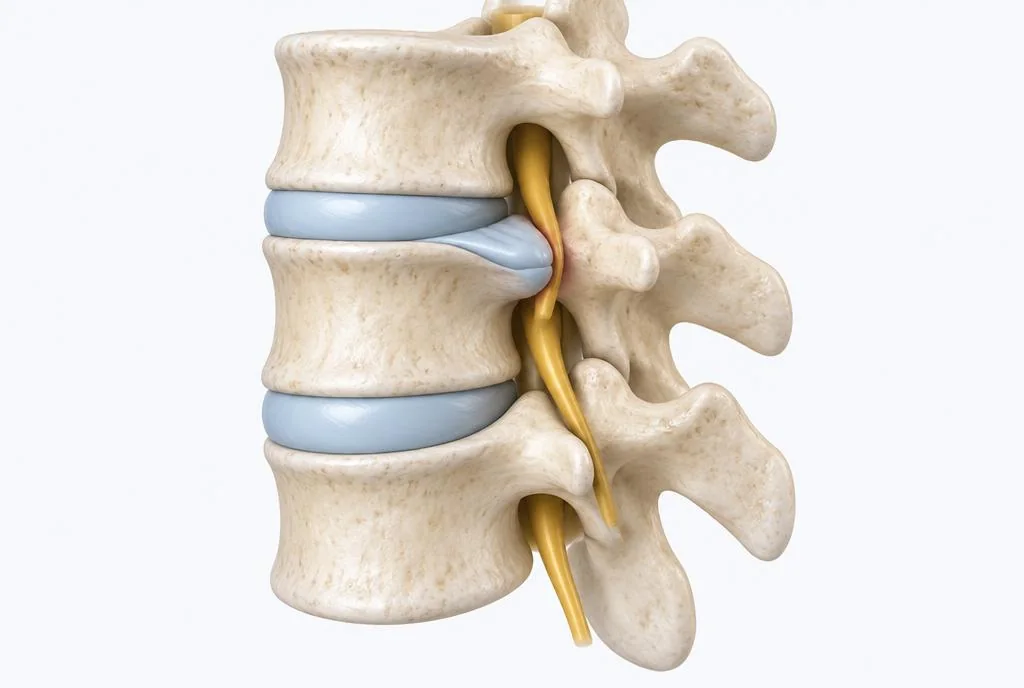
Herniated or Bulging Discs
When exploring herniated disc treatment in Glendale, remember that not every disc change causes pain. Degenerative disc findings also need clinical context.
Explore care
How Spinal Decompression Works
Evaluate your symptoms
Discuss your history, symptoms, prior surgery and any existing reports. The examination guides whether traction or another approach is more appropriate.
Position and apply traction
If appropriate, you remain clothed on the table while supports and a harness position your body. The system applies controlled cycles of traction and relaxation.
Monitor and reassess
Tell the clinician about discomfort or new symptoms immediately. Session settings, duration and the number of visits are individualized; continuing care depends on reassessment.
Patient Consultation
Bring your questions, existing imaging reports and a complete health history. Bruce D. Homsey, DC can discuss your findings, available options and whether spinal decompression belongs in your plan. Chiropractic care in Glendale, Arizona may also include adjustments, supportive therapies or home recommendations, depending on your needs.
What to expect at your appointment
Each step should be explained before treatment begins, including how to stop a session. You remain clothed. Some people find traction comfortable, but it should not be something you must endure; report sharp pain, increased radiating pain, tingling, dizziness or weakness immediately.
Meet Bruce D. Homsey, DC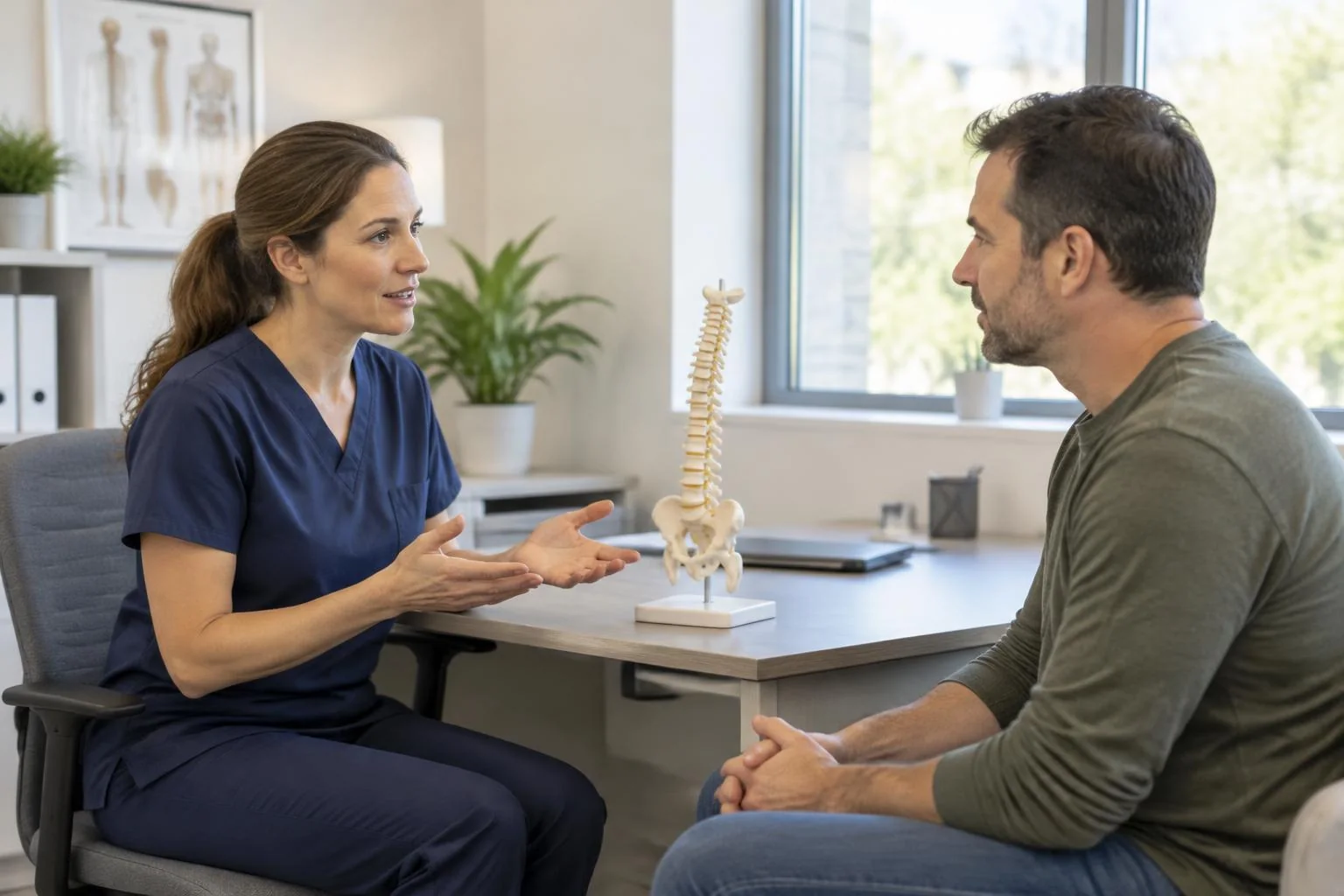
Common Questions
When to seek medical attention
Seek emergency care for new loss of bladder or bowel control, difficulty starting urination, numbness around the genitals or anus, or rapidly worsening limb weakness. Fever with back pain, unexplained weight loss, a cancer history or serious trauma also needs prompt medical assessment rather than routine traction.
Read our spinal decompression guide, including treatment limitations and references, or contact our Glendale office.
Educational information only; not a substitute for an individual exam. Content and illustrative equipment pending review by Dr. Homsey.
Explore your treatment options
Call our Glendale office to schedule an evaluation and discuss whether spinal decompression is appropriate for you.